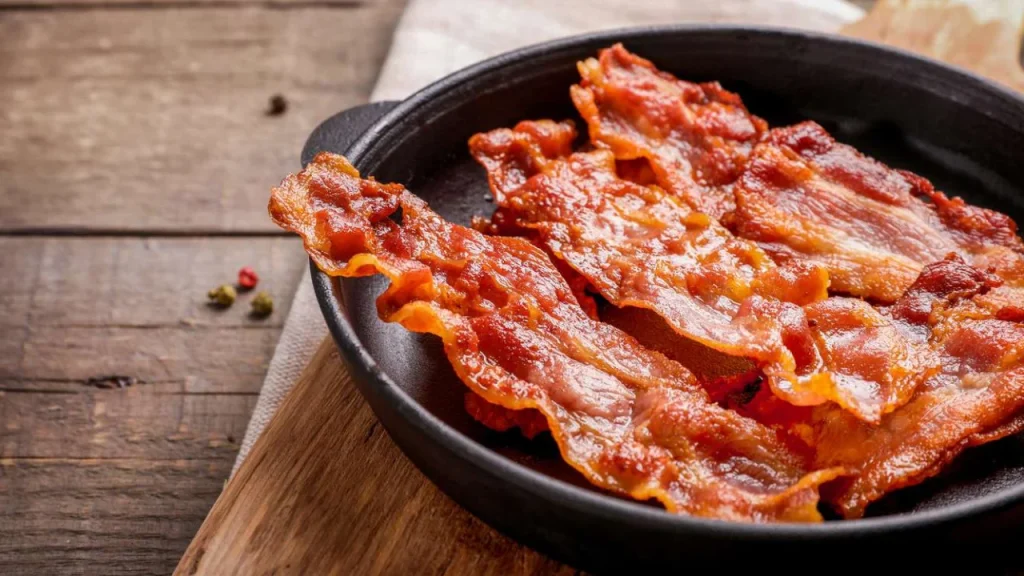

Last Sunday morning, I found myself staring at a package of bacon in my kitchen, completely stumped. My usual pan-frying method had left me with curled, unevenly cooked strips and a stovetop splattered with grease. My teenage daughter walked in, took one look at my bacon disaster, and asked why I didn’t just cook it “the right way” like her culinary arts teacher showed them.
That question sent me down a rabbit hole of bacon research. I reached out to four professional chefs from different backgrounds to settle this once and for all: what’s the absolute best way to cook bacon?
Their unanimous answer surprised me, and it’s probably going to change how you approach your morning routine forever.
The Chef’s Secret That Changes Everything
When I spoke with Chef Marcus Kung from a high-end steakhouse, Chef Sarah Som from a farm-to-table restaurant, and two other culinary professionals, they all said the same thing without hesitation: bake your bacon in the oven.
“I’ve been cooking professionally for fifteen years, and I can tell you that oven-baked bacon is hands down the most consistent method,” Chef Kung explained. “It eliminates almost every problem home cooks face when they try to cook bacon on the stovetop.”
The reason this method works so well comes down to even heat distribution. When you cook bacon in a pan, only the bottom surface touches the hot metal, leading to uneven cooking and those frustratingly curled strips we’ve all dealt with. The oven surrounds each piece with consistent heat, allowing the fat to render slowly and evenly.
“What most people don’t realize is that bacon needs time to render its fat properly,” Chef Som noted. “When you rush it in a hot pan, you get burnt edges and chewy centers. The oven gives you complete control over the process.”
The Step-by-Step Method That Actually Works
Here’s exactly how all four chefs recommend you cook bacon, along with the key details that make the difference:
| Temperature | 400°F (not higher, not lower) |
|---|---|
| Pan Type | Rimmed baking sheet lined with parchment paper |
| Bacon Arrangement | Single layer with space between strips |
| Cooking Time | 12-18 minutes depending on thickness |
| Flipping | Not necessary (but you can at 10 minutes if desired) |
The process itself couldn’t be simpler:
- Preheat your oven to 400°F while you arrange the bacon
- Line a rimmed baking sheet with parchment paper or foil
- Place bacon strips in a single layer without overlapping
- Bake for 12-15 minutes for regular thickness, 15-18 for thick-cut
- Remove when it reaches your preferred level of crispiness
- Transfer to paper towels to drain
“The beauty of this method is that you can cook a whole pound at once,” said Chef Rodriguez, who runs a busy brunch spot. “No standing over a hot pan flipping strips one by one. You set it and forget it.”
One crucial tip all four chefs emphasized: don’t start with a hot oven. Place the bacon in while the oven is still heating up. This gradual temperature increase helps the fat render more evenly, preventing those tough, chewy spots that happen when bacon cooks too quickly.
Why This Method Beats All The Others
The oven method solves every major bacon-cooking problem you’ve probably encountered. No more grease splattering all over your stovetop and clothes. No more strips that are crispy on one end and chewy on the other. No more wrestling with curled pieces that won’t lie flat.
“When customers ask me about cooking bacon at home, I always tell them about the oven method,” Chef Williams shared. “It’s foolproof, and the cleanup is so much easier. You just toss the parchment paper and you’re done.”
The even heat distribution means every part of each strip cooks at the same rate. The rendered fat drains away from the meat instead of pooling around it, which happens in a pan. Plus, you can easily cook enough bacon for a crowd without standing at the stove for twenty minutes.
For busy families, this method is a game-changer. You can prep bacon for the entire week by cooking multiple pounds at once, then reheating individual portions as needed. The bacon stays crispy and doesn’t develop that weird reheated texture you get with pan-fried bacon.
Several of the chefs I spoke with also mentioned that oven-baked bacon works better in recipes. “When I’m making bacon for a salad or to crumble into a dish, the oven method gives me consistently sized pieces that break cleanly,” Chef Som explained. “Pan-fried bacon can be too greasy or irregularly cooked for recipes.”
The temperature control is another major advantage. At 400°F, the bacon cooks quickly enough to stay efficient but slowly enough to render properly. Higher temperatures burn the outside before the fat renders, while lower temperatures take forever and can leave you with limp, greasy results.
Even the cleanup factor can’t be overstated. Instead of scrubbing bacon grease off your stovetop, backsplash, and pan, you simply lift out the parchment paper and throw it away. The baking sheet barely needs washing since the parchment protects it from direct contact with the grease.
FAQs
Do I need to flip the bacon while it’s cooking in the oven?
No, flipping isn’t necessary with the oven method, though you can flip once at the 10-minute mark if you prefer.
Can I use aluminum foil instead of parchment paper?
Yes, foil works fine, but parchment paper prevents sticking better and makes cleanup even easier.
What if my bacon isn’t crispy enough after the recommended time?
Just leave it in for another 2-3 minutes, checking every minute until it reaches your preferred crispiness level.
Should I save the rendered bacon fat?
Absolutely! Pour the cooled fat into a jar and store it in the refrigerator for cooking other dishes.
Can I cook different thicknesses of bacon together?
It’s better to separate them since thick-cut takes longer, but you can remove thinner pieces earlier if needed.
Does this method work for turkey bacon too?
Yes, though turkey bacon typically needs 2-3 minutes less cooking time since it has less fat to render.