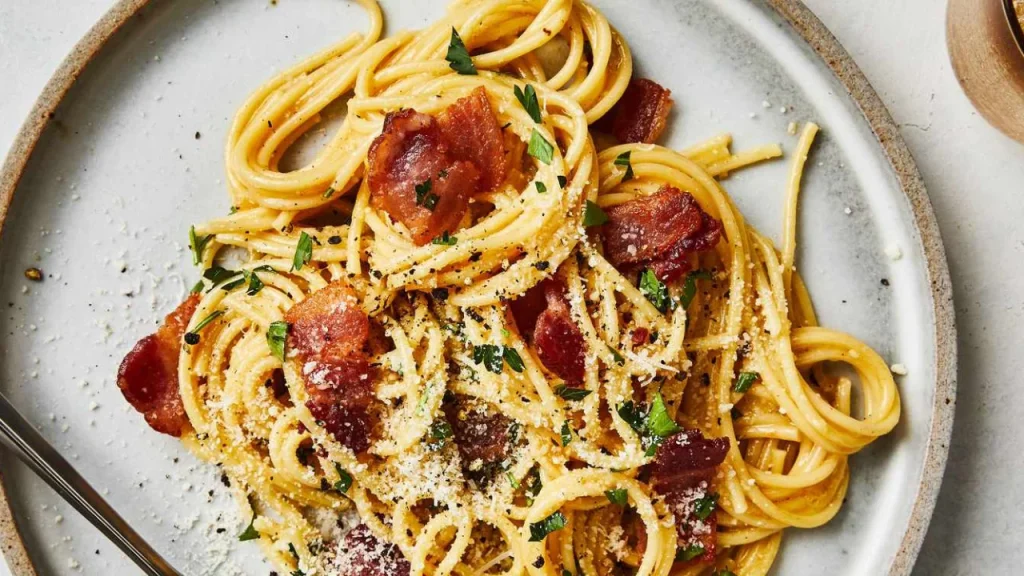

Last Tuesday night, I watched in horror as my dinner guest carefully arranged perfectly cooked spaghetti on her plate, then ladled a generous portion of marinara sauce right on top. The sauce sat there like a sad puddle, refusing to cling to the noodles while the pasta underneath turned into a sticky, clumped mess. As someone who learned to cook from my Italian grandmother, I had to bite my tongue to keep from launching into a passionate lecture about proper pasta preparation.
But here’s the thing—that awkward dinner moment perfectly illustrates one of the biggest mistakes home cooks make with pasta. We’ve been trained by chain restaurants and emoji graphics to think that pasta and sauce are two separate components that just happen to share the same plate. Nothing could be further from the truth.
The reality is that pasta sauce combining isn’t just about presentation—it’s about creating an entirely different dish. When you properly mix pasta with sauce using traditional Italian techniques, you’re not just serving noodles with topping. You’re creating a unified, cohesive meal where every single strand of pasta is coated and flavored.
The Science Behind Perfect Pasta Sauce Combining
What most people don’t realize is that the magic happens in those final moments when pasta meets sauce in the pan. Italian chefs call this technique “mantecare,” and it’s the secret behind every restaurant-quality pasta dish you’ve ever enjoyed.
“When you drain pasta completely and just dump sauce on top, you’re missing the most crucial step,” explains Chef Marco Benedetti, who trained in Rome’s finest kitchens. “The starchy pasta water is liquid gold—it’s what transforms separate ingredients into one harmonious dish.”
During cooking, pasta releases starch into the water. This isn’t waste water you should pour down the drain—it’s an essential ingredient. When you combine hot pasta with sauce and add a splash of this starchy liquid, something beautiful happens. The starch acts as an emulsifier, binding fat molecules in the sauce with the pasta itself.
Think of it like making mayonnaise. Oil and vinegar want to separate, but the emulsifiers in egg yolk hold them together. Pasta water does the same thing for your noodles and sauce, creating a silky, unified coating rather than separate, competing elements.
What Happens When You Skip This Step
Serving pasta and sauce separately creates multiple problems that go beyond just aesthetics. Here’s what you’re actually dealing with when you skip proper pasta sauce combining:
- Texture issues: Drained pasta cools quickly and starts sticking together within minutes
- Flavor distribution: Sauce sits on top instead of penetrating and coating each noodle
- Temperature problems: Cold pasta meets warm sauce, resulting in lukewarm disappointment
- Wasted ingredients: Sauce pools at the bottom of the plate, leaving many bites under-seasoned
- Presentation failures: The dish looks amateur and unfinished
“I’ve seen home cooks spend twenty dollars on premium ingredients, then ruin the entire dish by skipping this one simple step,” notes culinary instructor Sarah Mitchell. “It’s like building a beautiful house but forgetting to install the foundation.”
| Method | Texture Result | Flavor Coverage | Professional Appearance |
|---|---|---|---|
| Sauce on top | Clumpy, uneven | Poor distribution | Amateur |
| Proper combining | Silky, unified | Complete coating | Restaurant-quality |
The difference is immediately obvious to anyone who’s experienced both methods. Properly combined pasta feels luxurious in your mouth—each bite delivers balanced flavor and perfect texture. Separated pasta and sauce feels like eating two different dishes that happen to be on the same plate.
How This Changes Your Pasta Game Forever
Once you master pasta sauce combining, you’ll never go back to the old method. The technique works with virtually any pasta shape and sauce combination, from simple butter and parmesan to complex meat ragù.
The process is surprisingly simple. After cooking pasta to just shy of al dente, reserve at least a full cup of the starchy cooking water before draining. Transfer the slightly underdone pasta directly to your sauce pan, add a splash of pasta water, and toss vigorously over medium heat for 1-2 minutes.
“What you’re doing is finishing the pasta cooking process in the sauce itself,” explains Chef Benedetti. “The noodles absorb flavor while releasing their final bit of starch, creating that signature glossy finish you see in Italian restaurants.”
This technique also gives you incredible control over consistency. Too thick? Add more pasta water. Too thin? Let it reduce for another minute. The starch will naturally thicken as it cools, so your sauce will have perfect body by the time it hits the plate.
Beyond the technical benefits, proper pasta sauce combining saves time and reduces dishes. Instead of dirty pasta pot, sauce pan, and serving bowls, you’re finishing everything in one pan and serving immediately. Your pasta stays hot, your sauce stays integrated, and your dinner guests get the restaurant experience they deserve.
“Home cooks always ask me how restaurants make pasta taste so much better,” adds Mitchell. “The answer isn’t expensive equipment or secret ingredients—it’s this one technique that costs nothing but makes all the difference.”
The next time you make pasta, resist the urge to drain completely and serve separately. Save some pasta water, combine everything in the pan, and watch as your weeknight dinner transforms into something that looks and tastes like it came from a professional kitchen. Your family will notice the difference immediately, and you’ll wonder why you ever did it any other way.
FAQs
How much pasta water should I save for combining?
Reserve at least one cup of pasta water before draining, though you’ll typically only use a few tablespoons to achieve the right consistency.
Can this technique work with any type of sauce?
Yes, pasta sauce combining works with everything from simple olive oil and garlic to heavy cream sauces and tomato-based preparations.
What if my sauce becomes too thin after adding pasta water?
Simply continue cooking the pasta and sauce together for another minute or two—the starch will naturally thicken as moisture evaporates.
Should the pasta be fully cooked before combining with sauce?
No, cook pasta until it’s just shy of al dente, then finish the cooking process in the sauce pan for best results.
Does this technique work with gluten-free pasta?
Absolutely, though gluten-free pasta may require slightly more pasta water since it releases less starch during cooking.
How long should I toss the pasta and sauce together?
Generally 1-2 minutes of vigorous tossing over medium heat is sufficient to achieve proper emulsification and coating.