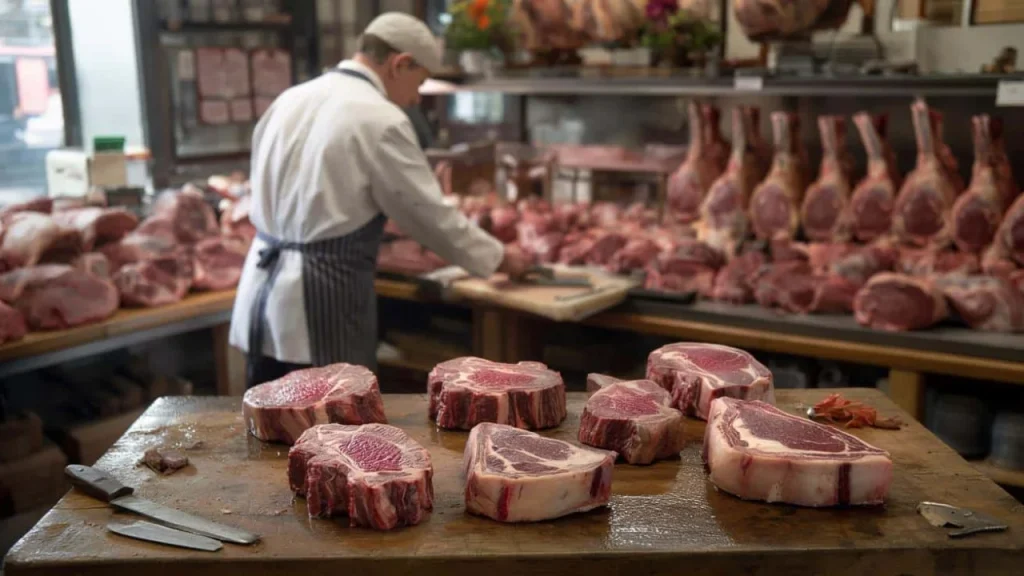

Marie stared at the butcher counter, overwhelmed by choices she didn’t understand. The friendly butcher noticed her confusion and leaned forward with a knowing smile. “Let me show you something special,” he whispered, reaching beneath the display case. What he pulled out looked nothing like the perfect steaks arranged above – small, oddly shaped pieces with strange names she’d never heard.
That moment changed everything about how Marie approached cooking beef. Those mysterious cuts became her secret weapon for impressive dinners that didn’t break the bank.
You’re probably making the same mistake Marie used to make, walking past the most flavourful beef cuts without even knowing they exist.
Why Butchers Keep the Best Cuts Hidden
Every experienced butcher has a confession: the cuts they cook at home aren’t the expensive ones customers fight over. Instead, they quietly set aside small, unusual pieces that most shoppers never request. These butchers favourite cuts come from tiny muscles deep inside the carcass, existing in such limited quantities that they rarely make it to the main display.
“I’ve been cutting meat for twenty-five years, and I still get excited when I prep an araignée or merlan,” explains Jean-Claude, a third-generation butcher from Lyon. “These little muscles work differently than the big steaks, so they develop incredible flavour.”
The problem is appearance. These cuts don’t photograph well for Instagram. They have thin membranes, irregular shapes, and visible grain patterns that make nervous shoppers reach for familiar ribeyes instead. But underneath those quirky exteriors lie some of the most tender, flavourful beef you’ll ever taste.
Most of these hidden gems come from the hindquarter, particularly around the hip area where small muscles work constantly but never get tough. They’re the beef world’s best-kept secret.
The Star Players Among Butchers Favourite Cuts
Let’s talk about the cuts that make butchers’ eyes light up. These aren’t just alternatives to expensive steaks – they’re often superior in taste and texture.
| Cut Name | Location | Weight per Animal | Best Cooking Method | Flavour Profile |
|---|---|---|---|---|
| Araignée (Spider Steak) | Inside hip | 300-400g | Quick sear, rare to medium | Rich, beefy, intense |
| Merlan (Whiting) | Rear leg muscle | 200-300g | Pan-seared or grilled | Delicate, slightly sweet |
| Poire (Pear) | Hip area | 150-250g | Quick cooking, high heat | Tender, mild beef taste |
| Bavette de l’aloyau | Sirloin flank | 400-600g | Marinate, then grill | Strong, mineral notes |
The araignée deserves special attention. This flat, web-like muscle sits hidden inside the hip, protected from overuse. When you trim away its thin membrane, you’re left with meat that rivals filet mignon for tenderness but delivers ten times more flavour.
“People think expensive means better, but araignée teaches you that’s not always true,” says Sophie, who runs a specialty meat shop in Provence. “For half the price of tenderloin, you get something that actually tastes like beef.”
The merlan gets its name from resembling a fish fillet – long, narrow, and surprisingly thick. It cooks faster than you expect, making it perfect for busy weeknights when you want something special without the fuss.
How These Hidden Cuts Change Your Cooking Game
Once you discover butchers favourite cuts, your approach to beef completely shifts. You stop paying premium prices for name recognition and start focusing on flavour and cooking technique.
These cuts demand respect but reward you generously. They cook quickly, often in under five minutes total. They pair beautifully with simple seasonings – just salt, pepper, and maybe fresh herbs. Most importantly, they make you feel like a confident cook because they’re almost impossible to mess up if you follow basic rules.
Here’s what changes when you embrace these special cuts:
- Your grocery budget stretches further while eating better beef
- Dinner prep becomes faster with quick-cooking cuts
- You develop real cooking skills instead of relying on expensive ingredients
- Friends start asking for your “secret” to amazing steaks
- You build relationships with local butchers who appreciate informed customers
The key is understanding that these aren’t lesser cuts – they’re different cuts with their own personalities. An araignée wants high heat and minimal handling. A merlan responds beautifully to a simple herb butter. Each cut teaches you something new about cooking beef.
“When customers discover these cuts, they become regulars,” notes Michel, who’s been butchering in Marseille for fifteen years. “They realize they’ve been missing out on the most interesting part of the cow.”
Finding and Cooking Your First Hidden Cut
Ready to join the inner circle of beef enthusiasts? Start by building a relationship with a real butcher shop, not just the meat counter at your supermarket. Explain that you’re interested in trying some of the unusual cuts they keep for themselves.
Most butchers love talking about these special pieces with customers who show genuine interest. They’ll often trim and prepare the cut properly, explaining exactly how to cook it at home.
For your first attempt, ask for araignée. It’s the most forgiving of the group and delivers the most dramatic results. Bring it to room temperature, season generously, then sear it in a screaming hot pan for about ninety seconds per side. Let it rest, slice against the grain, and prepare to be amazed.
The texture will surprise you – tender enough to cut with a fork but with enough chew to feel substantial. The flavour hits differently too, deeper and more complex than the mild taste of expensive tenderloin.
“Once people try araignée properly cooked, they never go back to paying thirty dollars for filet mignon,” laughs Antoine, a butcher whose grandfather taught him the trade. “They realize they’ve been paying for reputation instead of taste.”
FAQs
Why don’t supermarkets sell these butchers favourite cuts?
Most chain stores focus on cuts that look familiar and move quickly, while these specialty pieces require knowledgeable staff to explain them properly.
Are these cuts actually better than expensive steaks?
They offer more flavour and often better texture than premium cuts, though “better” depends on your preference for taste versus tenderness.
How do I know if my butcher has these cuts available?
Simply ask about “unusual cuts” or “butcher’s cuts” – most traditional butchers keep them but don’t display them prominently.
Can I mess up cooking these cuts easily?
They’re actually more forgiving than expensive steaks because their strong flavour and good marbling help mask slight overcooking.
Do these cuts work for special occasions?
Absolutely – they often impress dinner guests more than familiar steaks because of their unique flavours and your obvious cooking knowledge.
How much should I expect to pay for butchers favourite cuts?
Typically 30-50% less than premium steaks, making them excellent value for the quality and flavour you receive.