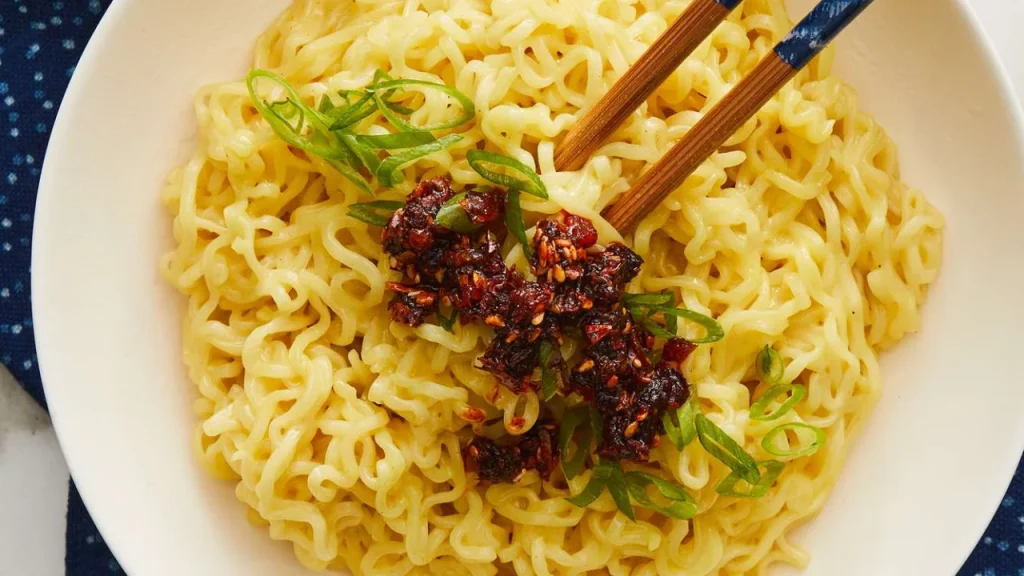

The fluorescent lights hummed overhead as I pushed my cart through the cramped aisles of that college grocery store, hunting for anything under two dollars that could pass for a meal. My eyes lit up when I spotted the promotion: ten packages of instant ramen for just one dollar. I grabbed three bundles without hesitation, already calculating how many weeks of late-night study sessions this would cover.
Back then, I thought ramen was ramen—those crinkly noodle bricks that transformed into something edible with boiling water and a foil packet of mystery seasoning. It wasn’t until years later, sitting in a proper ramen shop and tasting my first bowl of tonkotsu, that I realized I’d been living a lie. The rich, creamy broth, the perfectly soft egg, the tender slices of pork—it was like comparing a paper airplane to a fighter jet.
That moment sparked something in me. If restaurant ramen could taste this incredible, surely there had to be ways to bridge the gap between those dollar packs and the real deal, right?
Why Professional Chefs Are Embracing the Instant Ramen Upgrade
Turns out, I wasn’t alone in this quest. Professional chefs across the country have been quietly perfecting their own instant ramen upgrade techniques, and they’re finally sharing their secrets. The movement isn’t about food snobbery—it’s about recognizing that sometimes you want comfort food that actually comforts.
“With just a few thoughtful bonus ingredients, you can transform instant ramen into something that feels like your own and a little bit special, without ever losing its core identity as comforting, no-fuss food,” explains George Formaro, chef-partner of Orchestrate Hospitality restaurants in Des Moines, Iowa.
The beauty of upgrading instant ramen lies in its accessibility. You don’t need expensive equipment, rare ingredients, or culinary school training. Most improvements can be made with items you probably already have in your kitchen, or can easily find at any grocery store.
What’s driving this trend is the realization that instant ramen serves as an excellent canvas. The noodles provide texture, the seasoning packet offers a flavor foundation, and from there, the possibilities are endless.
Chef-Approved Methods That Actually Work
Professional chefs have tested countless combinations, and their most successful instant ramen upgrade techniques fall into several key categories. Here’s what actually makes a difference:
- Protein Power-Ups: Add leftover rotisserie chicken, soft-boiled eggs, or even canned tuna for substance
- Vegetable Boosters: Frozen corn, spinach, mushrooms, or bean sprouts add nutrition and texture
- Flavor Enhancers: Garlic, ginger, sesame oil, or miso paste deepen the broth complexity
- Textural Elements: Crushed peanuts, sesame seeds, or crispy onions provide satisfying crunch
- Heat Builders: Sriracha, chili oil, or fresh jalapeños for those who like it spicy
“The key is layering flavors and textures,” says Chef Maria Santos of Portland’s Noodle Bar. “You want each spoonful to offer something different—maybe creamy, crunchy, salty, and a little heat all at once.”
| Upgrade Category | Quick Options | Time Required | Cost Impact |
|---|---|---|---|
| Protein | Soft-boiled egg, leftover chicken | 5-10 minutes | $0.50-$2.00 |
| Vegetables | Frozen corn, spinach, mushrooms | 2-5 minutes | $0.25-$1.00 |
| Flavor Base | Garlic, ginger, sesame oil | 1-3 minutes | $0.10-$0.50 |
| Toppings | Green onions, sesame seeds | 1 minute | $0.15-$0.75 |
The timing of when you add these ingredients matters more than you might think. Delicate items like spinach or bean sprouts should go in during the last minute of cooking, while heartier vegetables can handle the full cooking time.
Chef David Kim from Seattle’s Ramen Revolution suggests a specific order: “Start with your aromatics—garlic and ginger first. Then add your protein if it needs cooking time. Vegetables go in based on how long they need, and finish with your garnishes and oils.”
Real-World Impact: From Dorm Room to Dinner Party
These instant ramen upgrade techniques are changing how people think about quick meals. College students are discovering they can eat well on a tight budget, busy professionals are finding satisfying alternatives to expensive takeout, and families are creating new traditions around customizable ramen bowls.
The economic impact is significant too. While a restaurant ramen bowl might cost $12-18, an upgraded instant ramen meal typically runs $2-4 per serving, even with premium add-ins. For families dealing with inflation and rising food costs, this represents real savings without sacrificing satisfaction.
“I’ve seen customers completely change their relationship with cooking through ramen upgrades,” notes Chef Santos. “It builds confidence because the base is foolproof, but they’re still creating something personal and delicious.”
The social media influence can’t be ignored either. Upgraded ramen bowls are incredibly photogenic, leading to a surge in home cooks sharing their creations online. This visibility is normalizing the idea that instant ramen can be a legitimate meal choice, not just a last resort.
Parents are finding that involving kids in ramen customization teaches cooking basics while keeping them engaged. Children learn about flavor combinations, cooking times, and food safety in a low-pressure environment where “mistakes” still taste good.
“The best part is there’s no wrong way to do it,” explains Chef Formaro. “Even if proportions are off or timing isn’t perfect, you’re still going to end up with something edible and probably pretty tasty.”
Restaurant owners are taking notice too. Some establishments now offer “build-your-own” ramen bars, and others have added upscale instant ramen options to their menus, recognizing that consumers appreciate both convenience and quality.
The environmental angle matters as well. By upgrading instant ramen at home instead of ordering delivery, people reduce packaging waste and transportation emissions. It’s a small change that adds up when multiplied across millions of meals.
FAQs
How long do upgraded instant ramen meals last in the fridge?
Upgraded ramen is best enjoyed immediately, but leftovers will keep for 1-2 days refrigerated. Store the broth and noodles separately if possible to prevent mushiness.
Can I prep ramen upgrade ingredients ahead of time?
Absolutely! Chop vegetables, cook proteins, and prepare garnishes in advance. This makes weeknight ramen assembly incredibly quick.
What’s the most budget-friendly way to upgrade instant ramen?
Start with eggs and frozen vegetables—both are inexpensive, nutritious, and transform the dish significantly. A single egg and handful of frozen corn costs under $0.75.
Are there healthy ways to upgrade instant ramen?
Yes! Add plenty of vegetables, use only half the seasoning packet, incorporate lean proteins, and finish with fresh herbs. This dramatically improves the nutritional profile.
What kitchen tools do I need for ramen upgrades?
Just basic equipment: a pot, knife, cutting board, and measuring spoons. No special tools required.
How do I prevent my upgraded ramen from getting too salty?
Use less seasoning packet (start with half), taste as you go, and remember that added ingredients like soy sauce or miso will contribute salt too.